Summary
Adaptive clothing for seniors is specially designed to make dressing easier and safer for people with limited mobility, arthritis, or other physical challenges. By combining practical features with everyday style, adaptive wear helps maintain independence and dignity while reducing the risk of falls during dressing.
- Hook-and-loop fasteners, magnetic closures, elastic waistbands, and open-back designs eliminate struggle with buttons, zippers, and complex fasteners
- Adaptive clothing options span tops, pants, dresses, undergarments, and footwear—all designed to look like regular clothes without appearing medical
- Dressing takes less time and energy, which boosts confidence, reduces fall risk, and encourages more social activities and outings
- Complementary dressing aids like button hooks, sock aids, and long-handled shoe horns work alongside adaptive clothing to simplify the process
- Quality adaptive clothing lasts longer with proper care, including gentle detergents, low heat settings, and regular inspection of fasteners
A stubborn button or a zipper that won’t cooperate can sour a morning before it starts. If getting dressed has become the hardest part of the day, the problem is usually the clothes, not you. Adaptive clothing for seniors is built to take the strain out of dressing while keeping your personal style intact. Here’s what it is, what to look for, and where to find it.
What Is Adaptive Clothing for Seniors?
Adaptive clothing is made for people living with arthritis, limited mobility, or other physical challenges. It’s easy to put on, comfortable to wear all day, and made to look like regular clothing. The goal is simple: dress with less effort and more dignity, with or without a hand from someone else.
Why Senior Adaptive Wear Matters
Stiff joints, a weak grip, or trouble bending make ordinary clothing a daily obstacle. Adaptive designs reduce physical strain and lower the risk of a fall while dressing. Open-back designs, for example, let a helper assist without lifting or twisting the wearer’s arms.
Soft, non-restrictive fabrics stay comfortable for hours, and many older adults find they can dress without assistance again. That independence does as much for confidence as it does for convenience, and keeping your own style matters for mental well-being, too.
Features of Adaptive Clothing
Hook-and-loop fasteners (the Velcro kind) replace buttons and zippers and spare your hands. Magnetic closures do the same job with a cleaner look and are a good fit for anyone with dexterity issues. Elastic waistbands ease pressure on the abdomen and pull on and off without a struggle. Open-back designs help people who use wheelchairs or need assistance. Non-slip grips, flat seams, and tag-free labels round out the details. Across the board, the best pieces are practical without looking medical, which is the whole point of accessible fashion.
Types of Adaptive Clothing for Seniors
Tops and shirts often combine hook-and-loop or magnetic closures with open-back construction. Pants and skirts use elastic waistbands and side openings, sometimes with a higher rise for comfort when seated. Adaptive dresses close at the back or side. Undergarments rely on soft, stretchy fabric. Adaptive footwear pairs hook-and-loop straps with non-slip soles and extra padding. Together, these senior adaptive wear options cover a full wardrobe, from everyday basics to something nicer for a family dinner.
Benefits of Adaptive Clothing for Seniors
Dressing takes less time and less energy, which improves self-esteem and reduces reliance on others. Fewer awkward movements mean fewer falls, a benefit for both the wearer and anyone helping. And when getting ready stops being a chore, people tend to say yes to more outings and social plans.
Dressing Aids for Seniors
Dressing aids are small tools that work alongside clothing for limited mobility seniors to make the process faster:
- Button hooks: fasten buttons without fine motor control
- Sock aids: pull on socks without bending over, a relief for back or hip pain
- Zipper pulls: give a weak grip more leverage on jackets and pants
- Dressing sticks: reach and position clothing without help
- Long-handled shoe horns: slide into shoes while standing or seated
Choosing the Right Adaptive Clothing
When you’re comparing easy dress clothing for older adults, weigh these five things:
- Material: soft, breathable fabric that won’t irritate skin
- Fit: snug enough to stay put, loose enough to move freely
- Design: closures and openings that match your specific mobility needs
- Style: pieces that look like what you’d choose anyway
- Functionality: the right solution for the task, whether that’s a pull-on pant or a supportive shoe
Popular Brands Offering Senior Adaptive Wear
Silvert’s carries a wide range of adaptive clothing for seniors, including dressier options. Buck & Buck focuses on practical, classic styles and offers custom alterations. Tommy Hilfiger Adaptive brings mainstream fashion to adaptive design, and IZ Adaptive builds inclusive pieces around a range of mobility needs.
How to Care for Adaptive Clothing
Closures and specialty fabrics last longer with a little attention:
- Follow the care label: washing and drying instructions vary by fabric and closure type
- Use gentle detergents: hypoallergenic options protect sensitive skin
- Skip high heat: low dryer settings prevent shrinkage and protect magnets and hook-and-loop strips
- Inspect regularly: replace pieces when fasteners wear out
- Wash separately: keep zippers and rough fabrics away from delicate closures
At Country Club at Woodland Hills, the Expressions Concierge team handles dry cleaning pickup and delivery, so the pieces that need special care get it without a trip across town.
Where to Buy Adaptive Clothing
Brand websites offer the widest selection, with detailed sizing guides. Some department stores now carry adaptive lines, which lets you try before buying. Specialty shops serving older adults and people with disabilities often provide personalized fitting help, and medical supply stores stock adaptive clothing alongside mobility aids. In Tulsa, OK, residents of Country Club at Woodland Hills can use complimentary Connections transportation for shopping trips.
Frequently Asked Questions
Does Adaptive Clothing Look Different From Regular Clothing?
Not anymore. Most closures are hidden behind a conventional button placket or seam, so the clothing reads as ordinary to everyone but the wearer.
Can a Tailor Convert Clothes I Already Own?
Often, yes. Replacing buttons with magnets, adding side zippers, or widening a waistband are common alterations that keep favorite pieces in rotation.
Is Adaptive Clothing Covered by Insurance?
Usually not, since it’s considered apparel rather than medical equipment. Some long-term care policies or veterans’ benefits may differ, so it’s worth asking.
Make Adaptive Clothing a Part of Everyday Life in Tulsa, OK
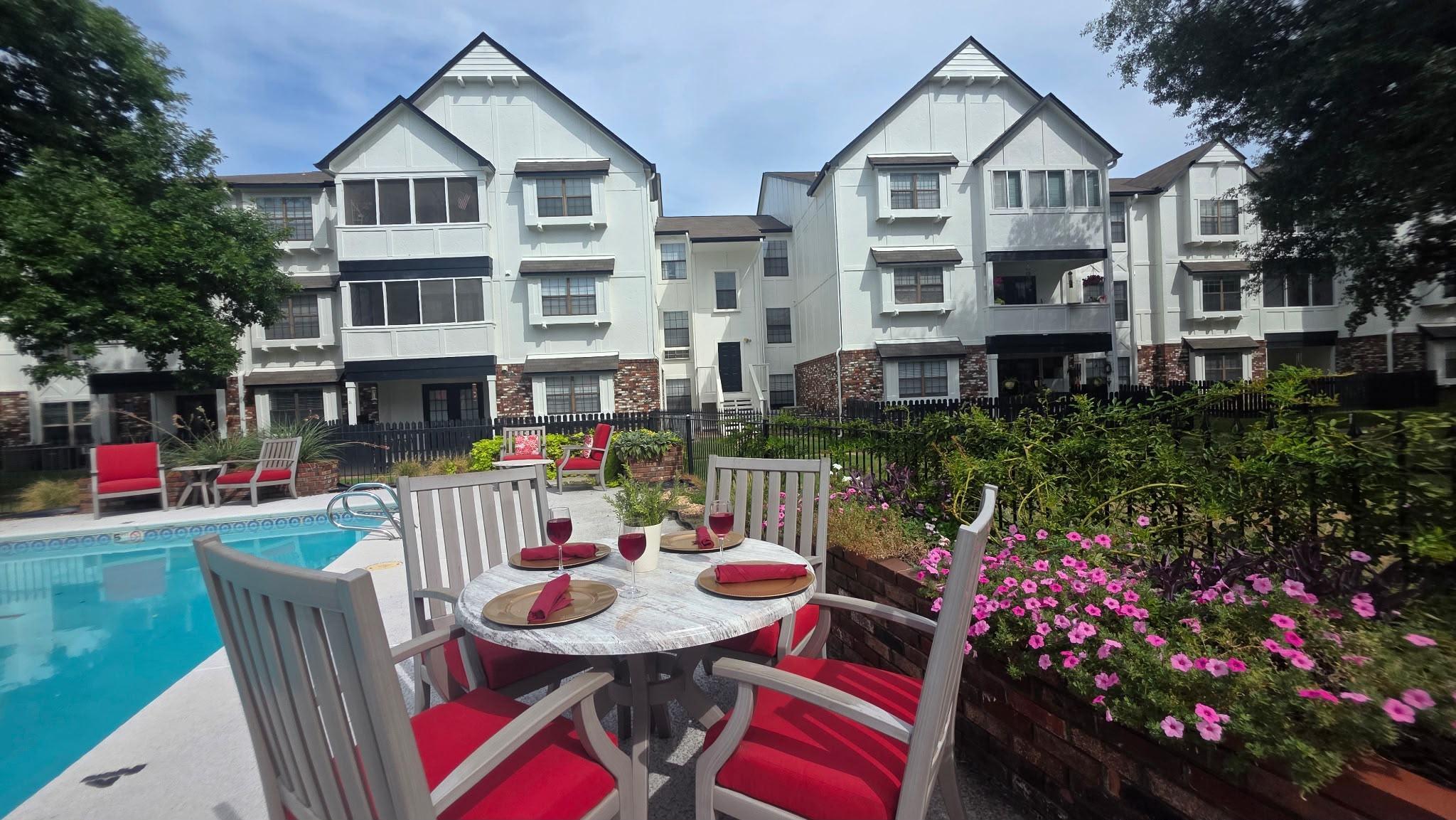
Adaptive clothing for seniors restores a small daily freedom that’s easy to take for granted. If simpler routines sound appealing, Country Club at Woodland Hills in Tulsa, OK, extends the same idea to the whole day with Impressions Housekeeping, chef-prepared Sensations dining, and landscaped courtyards for the outings you’ll now have energy for. Schedule a personalized tour of Country Club at Woodland Hills to see how simple life here can be.