Summary
Anxiety in older adults is a treatable condition—not an inevitable part of aging—that affects roughly one in four people 65 and older. Understanding the causes, recognizing the symptoms, and exploring treatment options can help restore peace of mind and quality of life.
- Anxiety disorders include Generalized Anxiety Disorder, phobias, panic disorder, OCD, and PTSD, each causing persistent worry that interferes with daily routines and relationships
- Common triggers include chronic health conditions, medication side effects, grief from losing loved ones, social isolation, and financial concerns
- Anxiety symptoms in older adults range from excessive worry and restlessness to physical signs like fatigue, muscle tension, and sleep problems
- Effective treatments combine therapy (especially Cognitive Behavioral Therapy), medical support when needed, regular exercise, meditation, and social connection
- Moving to a senior living community can reduce anxiety triggers by providing built-in social engagement, nutritious meals, and structured programs
Roughly one in four adults 65 and older live with a mental health condition such as anxiety or depression. Even so, anxiety in older adults is often overlooked or written off as a normal part of aging. It isn’t.
Everyday stress comes and goes. Persistent anxiety lingers, wears on your body and mood, and starts crowding out the things you enjoy. The good news is that it responds well to the right support, and the first step is understanding what’s driving it. Here’s a closer look at the causes, the signs, and what helps.
Understanding Anxiety in Older Adults
Anxiety disorders involve persistent, excessive worry that interferes with daily life. They affect routines, relationships, and physical health in ways ordinary stress doesn’t.
Generalized Anxiety Disorder (GAD)
GAD brings chronic worry about everyday concerns like health, finances, and daily responsibilities. The worry isn’t occasional. It persists for months and makes it hard to relax or enjoy an ordinary day.
Phobias
Phobias are intense fears of specific objects or situations. Some caution is reasonable, but a phobia grows large enough to interfere with daily life. Common phobias in older adults include:
- Fear of falling
- Fear of medical settings or procedures
- Social phobia
- Claustrophobia
Phobias can shrink your world. Avoiding certain places or people leads to isolation and a lower quality of life.
Panic Disorder
Panic disorder triggers sudden, intense episodes of fear known as panic attacks. They can be frightening and may feel like a medical emergency.
Obsessive-Compulsive Disorder (OCD)
OCD causes persistent, unwanted thoughts (obsessions) and repetitive behaviors (compulsions) that feel impossible to control. Occasional worries and habits are normal. OCD makes them excessive and distressing.
Post-Traumatic Stress Disorder (PTSD)
PTSD is anxiety tied to past trauma, whether someone lived through a distressing event or witnessed one. It can surface as flashbacks, nightmares, severe anxiety, or emotional numbness, sometimes decades later.
Common Causes of Anxiety in Older Adults
Anxiety rarely appears out of nowhere. Recognizing the causes of anxiety in older adults makes it easier for you or your family to manage it well.
Health-Related Factors
Chronic conditions like diabetes and arthritis can create constant worry about symptoms and treatments. Memory changes add to the uncertainty. Even helpful medications sometimes cause restlessness, confusion, or increased nervousness as side effects, which leaves you feeling on edge.
Psychosocial Factors
Life changes play a large role. Losing a close friend or family member brings grief and loneliness, and social isolation from mobility limits or a shrinking circle of friends makes things worse.
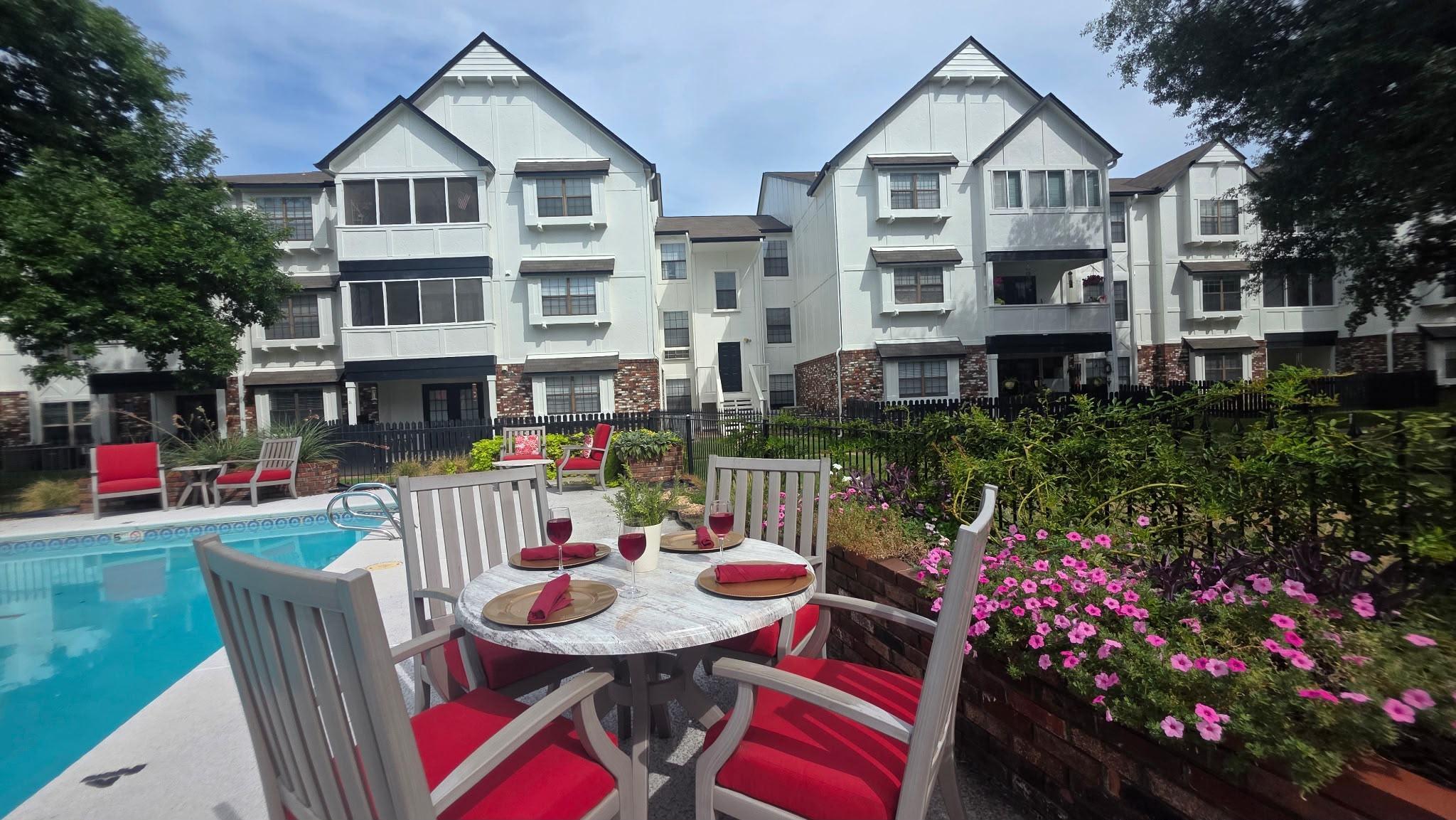
That’s one reason an Active Independent Living community like Country Club at Woodland Hills in Tulsa, OK, can help. A full Celebrations calendar, neighbors who share your interests, and chef-prepared meals in the dining room give you a reason to leave the apartment every day.
Financial Concerns
Money worries don’t retire when you do. A fixed income, rising medical costs, and concern about affording future support can turn into constant worry that makes daily life harder to enjoy.
Senior Anxiety Symptoms to Watch For
Anxiety looks different in later life. It often blends in with other health concerns, which makes it harder to recognize.
Emotional Symptoms
Excessive worry or fear, even about everyday situations, is the hallmark. You may feel restless, uneasy, or easily irritated, which makes relaxing or enjoying old favorites a chore.
Physical Symptoms
Anxiety isn’t only in your mind. Your body feels it, too. Common physical signs include:
- Fatigue
- Muscle tension
- Frequent headaches
- Digestive trouble
- Trouble falling or staying asleep
Some older adults also notice appetite changes that lead to weight loss or gain.
Behavioral Symptoms
Anxiety changes how you act. You might skip social events, pull back from friends and family, or lean on others more often for reassurance. Over time, that withdrawal deepens isolation and feeds the anxiety.
Anxiety Treatment Options for Seniors
Treating anxiety in seniors usually combines medical support, lifestyle changes, and emotional connection. Here’s what helps.
Therapy
Cognitive Behavioral Therapy (CBT) helps you spot and reshape the thought patterns that fuel worry. Over time, anxious feelings ease, and your outlook improves. Talk therapy also gives you a safe place to voice concerns and build coping skills that restore a sense of control.
Medical Treatments
If therapy alone isn’t enough, your doctor may suggest medication. Antidepressants, anti-anxiety medications, and beta-blockers are common options, and the right prescription paired with therapy can reduce symptoms considerably. Your physician will help you weigh benefits and side effects.
Lifestyle Modifications
Daily habits matter for managing senior anxiety. Helpful adjustments include:
- Regular exercise and movement
- A balanced diet and consistent sleep schedule
- Mindfulness or meditation practice
At Country Club at Woodland Hills, Dimensions Health & Fitness classes, BALANCED℠ nutrition programming, and landscaped courtyards and walking terraces make those habits easier to keep. Complimentary Connections transportation means a doctor’s appointment or therapy session doesn’t hinge on driving across Tulsa.
Frequently Asked Questions
Is Anxiety a Normal Part of Aging?
No. Occasional worry is normal, but persistent anxiety that disrupts daily life is a treatable condition, not an inevitable part of getting older.
When Should I Talk to a Doctor?
If worry has lasted more than a few weeks, interferes with sleep, appetite, or relationships, or feels hard to control, bring it up with your physician.
Can Moving to a Senior Living Community Help?
For many people, yes. Built-in social connection, regular meals, and fewer household responsibilities remove several common anxiety triggers at once.
Anxiety in Older Adults: Take Control of Your Well-Being
Anxiety in older adults is more common than many realize, and it doesn’t have to run your life. Country Club at Woodland Hills offers Active Independent Living apartment homes and cottages, chef-prepared dining, and a calendar built around connection, with easy access to the Tulsa Performing Arts Center and Philbrook Museum. Schedule a personalized tour of Country Club at Woodland Hills to see how a calmer routine could look.