Summary
Choosing solitude—intentional alone time—offers significant solitude benefits for seniors' mental health, from reducing stress to deepening relationships. Unlike loneliness, solitude is restorative time you actively choose and enjoy.
- Self-reflection during quiet moments clarifies your values and priorities, supporting mental clarity and life satisfaction
- Stress levels drop when you carve out peaceful hours for reading, walking, or sitting by the pool without social obligations
- Solo hobbies like painting, writing, or music keep your mind active and engaged while sparking creativity
- Balancing alone time with regular social connection actually strengthens your relationships by helping you show up more fully to conversations
- Healthy solitude should feel restorative; if quiet time leads to isolation, skipped meals, or persistent low mood, speak with your doctor
Loneliness gets plenty of attention in conversations about aging. Solitude, its quieter cousin, rarely does. Yet choosing to be alone for a while, without feeling lonely, is one of the simplest ways to protect your well-being. The solitude benefits for seniors’ mental health range from lower stress to richer friendships, and they’re easier to tap into than you might expect.
Enhances Self-Reflection and Personal Growth
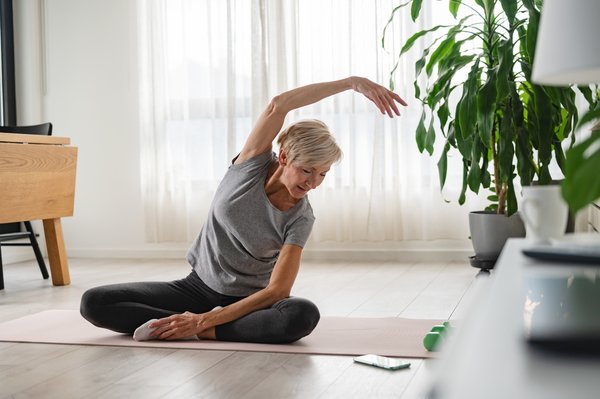
Time alone gives you room to look inward and take stock of your experiences, values, and what you still want from the years ahead. That kind of reflection tends to bring a clearer sense of self and more satisfaction with daily life. Practices that pair mindfulness and solitude for seniors work especially well:
- Journaling for ten minutes each morning
- A short meditation or breathing exercise
- A slow walk with no destination in mind
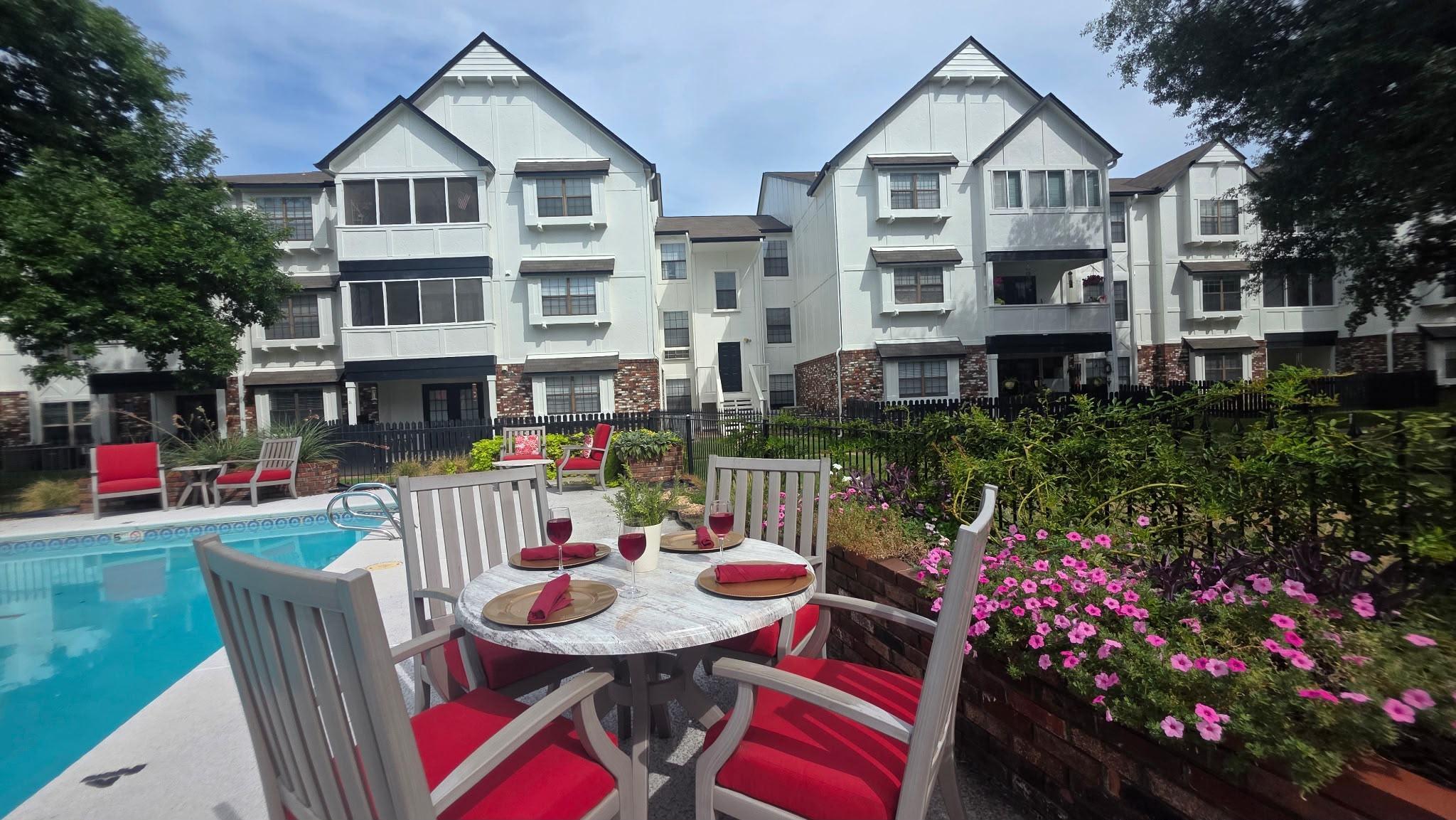
At Country Club at Woodland Hills, residents have landscaped courtyards and walking terraces for exactly this kind of unhurried time. These habits support mental health and also reinforce a sense of independence, which matters more and more in later life.
Reduces Stress and Promotes Relaxation
The calming effect of time alone is well documented. Solitude offers a break from social obligations and a peaceful setting to unwind, and research links it to lower stress levels. That’s the core of the mental health benefits of quiet time.
At home or in a senior living community, carving out quiet hours can be as simple as reading in a sunny corner of your apartment home, tending a few plants, or sitting by the outdoor pool before the day fills up. Those small pockets of calm add up to a steadier frame of mind.
Encourages Creativity and Cognitive Engagement
Solitude is fertile ground for creativity. Without the pull of conversation, you’re more likely to follow a new idea and see where it goes. That kind of mental engagement keeps the mind active, which is one reason alone time benefits older adults so much. Solo hobbies worth trying include:
- Painting or sketching
- Writing letters, memoirs, or poetry
- Practicing a musical instrument
The Celebrations activities calendar at Country Club at Woodland Hills includes art classes and educational lectures, so you can pick up a skill in a group and then refine it on your own.
Facilitates Deeper Connections When Socializing
Here’s the surprising part: time alone makes time together better. Processing your own thoughts first helps you show up to conversations with more to offer and a clearer sense of your needs and boundaries. The result is healthier, more fulfilling relationships.
Balancing solitude and socialization for seniors is easier in a community built for both. At Country Club at Woodland Hills, that might look like:
- Breakfast with neighbors, then a quiet morning in your apartment home or cottage
- One Celebrations class or outing each week that you commit to
- Dinner in the dining room most nights, with a few evenings kept open
You choose when to join in and when to retreat.
Frequently Asked Questions
Is Solitude the Same as Loneliness?
No. Solitude is time alone that you choose and enjoy. Loneliness is the distress of wanting connection and not having it. The first restores you; the second wears you down.
How Much Alone Time Is Healthy?
There’s no set number. Most people do well with a daily stretch of quiet, as long as they’re also seeing friends and family regularly.
When Does Alone Time Become a Concern?
If quiet time starts turning into skipped meals, canceled plans, or a low mood that lingers, talk with your doctor. Healthy alone time for aging adults should feel restorative, not isolating.
Make Room for Solitude
Solitude supports personal growth, eases stress, feeds creativity, and strengthens the relationships you return to afterward. Country Club at Woodland Hills in Tulsa, OK, gives you both the quiet spaces and the lively calendar to find your own balance. Schedule a personalized tour of Country Club at Woodland Hills to see how that balance could look for you.